Publisering
Camping and Mountain Tents: A Comprehensive Guide to Picking, Varieties, and Advice
Selecting the appropriate tent for camping or hiking can play a vital role in ensuring a fulfilling outdoor adventure. In today’s world of ever-changing travel trends and a growing yearning for freedom in the great outdoors, a tent has become an essential piece of equipment for any outdoor excursion. Whether you’re planning to set up camp by the seaside, in the mountains, beside a lake, or in the desert, the right outdoor tent will guarantee comfort, safety, and the ability to withstand various weather conditions. In this guide, we’ll address all the key questions that people often have before making a purchase.
James Mitchell
Signatur
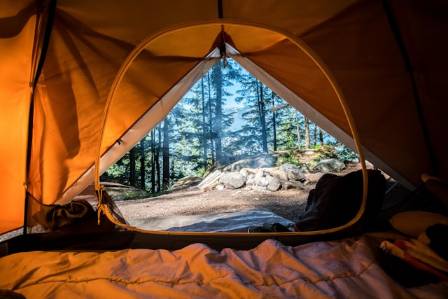
Selecting the appropriate tent for camping or hiking can play a vital role in ensuring a fulfilling outdoor adventure. In today’s world of ever-changing travel trends and a growing yearning for freedom in the great outdoors, a tent has become an essential piece of equipment for any outdoor excursion. Whether you’re planning to set up camp by the seaside, in the mountains, beside a lake, or in the desert, the right outdoor tent will guarantee comfort, safety, and the ability to withstand various weather conditions. In this guide, we’ll address all the key questions that people often have before making a purchase.
What are the main types of tents and which is the most suitable for different types of travel?
Dome Tent: Popular, stable, and easy to assemble – a good fit for 2-3 people.
Tunnel Tent: Offers more space and height – perfect for families and longer stays.
Geodesic Tent: Designed for extreme conditions – able to resist strong winds and snow.
Tipi Tent: Lightweight and compact – ideal for bushcraft and winter camping trips.
Ultralight Tent: Great for trekking and bike tours.
Pop-up Tent: Can be set up in a matter of seconds – suitable for festivals and picnics.
Beach Tent: Provides protection from the sun and wind – not intended for overnight use.
Which tent is most suitable for mountain hiking with a backpack?
For mountain hiking, especially in areas where the weather is unpredictable and the terrain is challenging, choosing a lightweight and compact trekking tent is a must. When you’re carrying all your gear on your back, every bit of weight matters – so the best tents for backpacking combine low weight, high durability, and effective protection from the elements.
The ideal mountain hiking tent should weigh no more than 2 kg, with those weighing under 1.5 kg being even better, particularly for solo trekkers or those embarking on long routes. It’s also essential that the tent can be packed compactly in your backpack without taking up too much space. This is where ultralight tents with aluminum poles and synthetic waterproof fabrics come into their own.
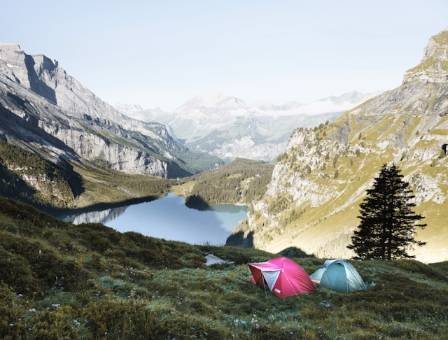
What should a quality trekking tent include?
Double layer: The tent should have an inner breathable section and a separate outer waterproof cover (known as the flysheet). This ensures better ventilation and protection against moisture and condensation.
Waterproofing over 3000 mm: This indicates that the cover can hold up against heavy rain. In mountain environments, this is absolutely necessary. The tent’s floor should also have a waterproof rating of at least 5000 mm to prevent moisture from seeping in from the ground.
Ventilation: High-quality outdoor tents are equipped with well-designed ventilation openings that prevent condensation from building up inside the tent, which is a common issue in cold weather.
Wind resistance: Mountain peaks are often exposed to strong winds. Look for a tent with a stable structure (such as a geodesic design or criss-crossing poles) that can be firmly anchored using stakes and guylines.
Additional tips for mountain hiking tents
Steer clear of tents with excessively high interior spaces – a lower profile offers better resistance to wind.
Look for models with a fast-pitch system, which is a big advantage when the weather takes a turn for the worse.
Choose a tent that has enough space in the vestibule to store your backpack and shoes.
Check if the tent has UV protection – this is important at high altitudes.
With the right lightweight mountain tent, you’ll be able to enjoy the freedom and challenges of long trails without having to compromise on comfort and safety. The right materials, waterproofing, and wind stability can make all the difference between a comfortable adventure and unexpected problems.
What tent should we choose for a family with children?
If you’re planning a family trip to the great outdoors with kids, selecting the right family camping tent is key to ensuring the comfort and safety of the entire family. Unlike tents for solo trekking, the focus here is on space, convenience, and ease of setup.
The best choice for families is tunnel tents with multiple compartments, as they provide a clear separation between sleeping areas and the living or storage space. They not only offer more room but also allow for better organization during your camping stay.
What features should a good family tent have?
Large interior space: Look for a model with at least two separate sleeping areas and a central living space. This ensures privacy and comfort – especially important when you have older children.
Height for standing up: Tents with a height of over 180 cm allow you to move around inside while standing, making daily activities like getting dressed much easier.
Insect mesh: Essential for keeping mosquitoes and other insects at bay. Look for tents with mesh doors and windows that allow for ventilation without letting insects inside.
Good ventilation and UV protection: When camping with children, it’s important to keep the inside of the tent well-ventilated and cool. Tents with ventilation openings and UV protective coatings are particularly suitable for the summer months.
Waterproofing: A minimum of 3000 mm waterproofing for the outer layer and a reliable floor to keep the whole family dry in the rain. This is especially practical when camping with young children.
Wide vestibule: A space to store shoes, strollers, toys, and luggage without bringing dirt into the main area of the tent.
Other tips for choosing a tent for camping with children
Choose a tent with color-coded markings and easy setup so that it can be pitched quickly and without much effort.
Look for models with additional pockets, hooks, and internal organizers to help keep things tidy.
Choose a tent with a canopy or awning at the entrance where the kids can play even if it’s raining.
Check if the tent is made of fire-resistant material for safety when using camping stoves nearby.
Whether you’re camping in the mountains, by a lake, or on a car camping trip, choosing a comfortable and secure family tent will make the experience unforgettable. With the right family tent, you can create a cozy atmosphere in nature with your partner and give your kids a sense of adventure without sacrificing comfort.
What are the most important features when buying a tent?
When choosing an outdoor tent for camping or trekking, it’s important to take into account various factors that determine not only comfort but also safety during your adventure. From the right capacity to the type of materials used – every element has an impact on how the tent performs in different conditions. Here are the key features to keep in mind:
Capacity and interior space: Always choose a tent with a capacity that’s one more than the number of people (for example, if you’re two people – choose a three-person tent). This provides extra space for backpacks, shoes, and moving around. For families or longer camping trips, tents with separate sleeping and storage zones are recommended.
Seasonality: Choose a tent based on the season and climate conditions:
3-season tent: Suitable for spring, summer, and fall, offering good ventilation and resistance to moderate rain and wind.
4-season tent: Designed for winter conditions and extreme weather – with a sturdier structure, thicker materials, and better resistance to snow and wind.
Weight and folded volume: For mountain hikes and trekking, it’s recommended to choose a lightweight tent under 2 kg. Lightness and compactness are especially important when carrying the tent in your backpack for long distances. For car camping, weight is less of a concern.
Materials and construction: Look for tents with:
Durable polyester or nylon with a waterproof coating (minimum 2000-3000 mm waterproofing)
Aluminum poles – lighter and more durable than fiberglass
PUR floor with high protection against moisture and mechanical damage
Ventilation and condensation protection: Quality tents feature:
Anti-condensation internal openings
Mesh panels for fresh air
Double layer (breathable inner and waterproof outer) – crucial for reducing moisture inside
Choosing a tent should not be based solely on appearance or price. Functionality, durability, and practicality are critical for any outdoor adventure whether it’s a short weekend in the mountains, a long-distance hike, or an exciting family camping trip.
Make an informed choice by combining lightweight, weather protection, breathability, and comfort because the tent is your temporary home in nature.
What are the most common mistakes when choosing a tent?
When choosing a camping or trekking tent, it’s easy to be misled by appearance, low prices, or unprofessional advice. As a result, many people make the same critical mistakes, which can turn a wonderful camping experience into a nightmare. Here are the most common and dangerous mistakes when buying a tent:
Underestimating the waterproofing of the tent: One of the most serious mistakes is choosing a tent with a low water column rating under 2000 mm. This makes it vulnerable to rain, humidity, and morning dew. For reliable protection in rainy conditions, choose tents with an outer layer of at least 3000 mm waterproofing and a floor with at least 5000 mm water penetration protection.
Choosing a tent that is too small or too heavy: Many beginners buy a tent that fits exactly the number of people (e.g., a 2-person tent for two people), but this leaves no room for luggage. Also, choosing an unsuitable trekking tent can result in an overly heavy load in the backpack. The golden rule is: choose a tent with +1 extra space and consider the weight in relation to the route.
Ignoring the climate and terrain conditions of the destination: A tent suitable for summer camping by the seaside won’t be able to withstand a storm in the mountains or strong winds in an open field. Always choose a tent based on the season and the place where you will use it – four-season tents for mountains, three-season tents for temperate climates.
Not testing the tent before the first trip: A big mistake is not setting up the tent at least once at home or outdoors before the actual camping trip. This allows you to:
Learn how to assemble it
Find any missing parts
Check for manufacturing defects
Testing in advance is especially important for a new tent or when using gear borrowed from others.
Avoiding these common mistakes when choosing a camping tent will save you from inconvenience, extra costs, and compromised safety during your adventures. Always make an informed choice and consider your needs based on the terrain, season, and type of travel.
How to properly store the tent after use?
Proper cleaning and storage of the tent after each use is crucial for its long life and reliable functionality on future camping trips and hikes. Many people underestimate this step, leading to rapid wear, unpleasant odors, mold, and fabric tears.
Here are the steps for optimal storage of a camping tent after use:
Clean the tent thoroughly: Before packing the tent into its bag, remove any sand, leaves, mud, and small debris. Use a soft brush or damp cloth. If it’s heavily soiled, wash it carefully with water (without using detergents) and let it dry completely.
Dry it completely: Never store a tent when it’s wet. Even a small amount of moisture can cause mold, unpleasant odors, and damage to the waterproof coating. Set up the tent in the shade, away from direct sunlight, until it’s completely dry – especially the floor and seams.
Store it in a ventilated and dark place: Keep the tent in a dry room, away from UV rays, moisture, and large temperature fluctuations. UV rays break down the fabric over time, even when the tent is not in use. Avoid attics, basements, and car trunks for long-term storage.
Don’t store it too tightly: Instead of keeping the tent in its original bag, you can store it lightly folded in a larger breathable bag (such as a fabric or mesh one). This prevents the formation of permanent creases and allows the material to breathe.
Why is proper storage of the tent important? Proper maintenance and storage significantly extend the life of the tent – often by years. It preserves the waterproofing, seam strength, fabric durability, and poles. Moreover, it guarantees security and comfort on your next camping adventure.
In short: Dry, clean, and shaded are the three golden rules for storing your tent after use.
What is the best tent for rainy and windy weather?
If you’re planning camping in rainy conditions or strong winds, choosing the right tent is crucial for your safety, comfort, and keeping dry. The best choice in such situations is a four-season geodesic tent, specially designed for extreme weather conditions.
These tents offer exceptional resistance to wind, rain, and snow thanks to several key features:
High waterproofing: Choose a tent with a water column above 3000 mm for the outer layer and at least 5000 mm for the floor. This provides protection even in prolonged heavy rain and on muddy ground.
Sealed and double-stitched seams: This is a critical element that prevents water from seeping through the most vulnerable parts of the structure.
Aerodynamic and stable design: Geodesic tents have crossed poles that create a dome shape with even tension distribution. This provides high stability in strong winds from all directions.
Low profile and guy lines: The lower the tent’s profile, the less wind resistance it creates. Additional guy points increase stability and security.
Good ventilation without compromising waterproofing: Ventilation openings with covers or adjustable flaps prevent condensation inside, even during heavy rain outside.
Don’t compromise on quality if you’re planning high-altitude hikes, autumn camping, or long trips in variable climates. Invest in a high-quality four-season tent for extreme conditions, which will provide protection and peace of mind in the harshest weather.
Andre saker du kanskje liker

Getting to Know the Black-Tailed Prairie Dog (Cynomys ludovicianus)
The black-tailed prairie dog (scientific name: Cynomys ludovicianus) is a small, charismatic rodent that plays a vital role in the prairie ecosystems of North America. Closely related to ground squirrels, this species is easily recognizable by its distinct physical traits and complex social behavior. From their bustling “towns” to their role as a keystone species for predators and other wildlife, black-tailed prairie dogs are far more than just cute burrowers, they are a cornerstone of the grassland habitats they call home. Below, we’ll explore every aspect of their lives, from their appearance and behavior to their habitat, distribution, and the challenges they face in the modern world.
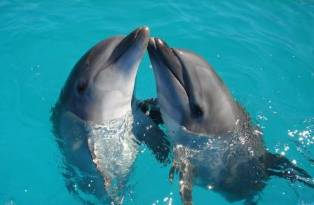
3 Must-Know Facts About Bottlenose Dolphins
The bottlenose dolphin is an intelligent, sleek marine mammal that inhabits most of the world's oceans, including the coastal waters of the UK. Conserving marine dolphins such as these contributes to the overall health of our oceans—benefiting all other marine life and the billions of people who depend on the sea.

Watercolour florals for beginners
Painting floral subjects in watercolor fits beautifully with a modern, loose painting approach. This style encourages freedom in brushwork and takes full advantage of watercolor’s natural ability to blend and flow. Flowers were the very first subject I wanted to paint as a beginner, and they’ve remained one of my favorite themes ever since.
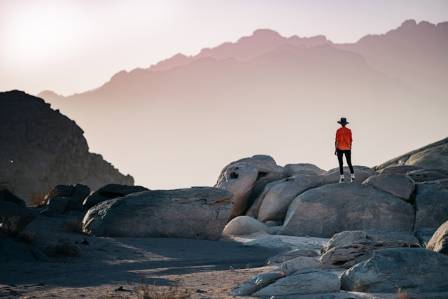
Unlocking the Perks of Solo Travel: 8 Compelling Reasons to Embrace the Adventure
Solo travel is an exhilarating adventure that opens up a world of opportunities. It's an experience that broadens horizons, challenges comfort zones, fosters new connections, and creates lifelong memories. While the idea of traveling alone might seem daunting at first, it's a journey that promises excitement and self-discovery. Here at Flavours Holidays, we celebrate solo travel, and our diverse destinations are perfect for those seeking solo adventures. Discover the myriad advantages of embarking on a solo journey.
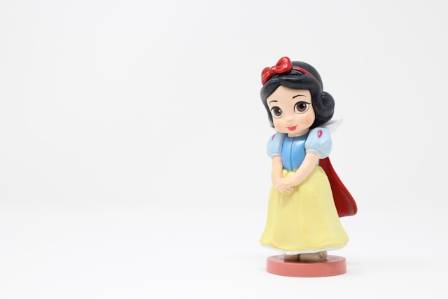
Artistic Excellence: A Professional Guide to Crafting Exquisite Clay Decor
Creating high-end clay figurines and decorative accents is a masterclass in patience, precision, and texture. Whether you are aiming for the sleek lines of modern minimalism or the intricate details of realistic botanicals, air-dry clay offers a sophisticated medium for professional-grade home decor. By moving beyond basic shapes and focusing on refined finishing techniques, you can produce gallery-quality pieces in your own studio.
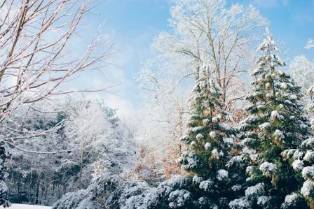
Idyllic U.S. Small Towns That Transform into Winter Wonderlands
As the season transitions to winter, the allure of travel beckons. The good news is you don't need a passport to savor the magic of the upcoming chilly months. Across the United States, you'll discover a tapestry of snow-capped mountains, serene farmlands, cozy inns, and a myriad of outdoor activities. These picturesque small towns promise a winter escape that's nothing short of enchanting.
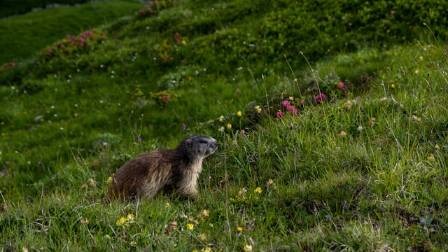
Yellow-bellied Marmot
The scientific name flaviventris means “yellow belly” (from Latin flavus = yellow, ventris = belly).

Advancements in Robotic and Bionic Medical Technology
Robotic medical devices are sophisticated, intelligent machines designed to assist or replicate the actions of healthcare professionals. These systems represent a fusion of multiple high-level fields, including computer science, mechanical engineering, mathematics, and clinical medicine. Some of these units function entirely autonomously, while others are operated or monitored by human specialists. In the modern medical landscape, these technologies are primarily utilized for precision surgery, internal diagnostic procedures, and physical therapy to assist patients in recovering from debilitating injuries or neurological disorders.
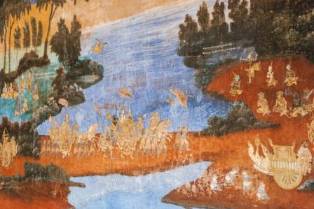
Rediscovering the Foundation: The Journey into Classical Drawing
As an established figurative painter working primarily in oils, I reached a significant turning point in my creative journey last year. Despite my experience, I felt a persistent desire to elevate my work and challenge my existing boundaries, though the specific path forward remained unclear. To find clarity, I decided to return to the most fundamental aspect of the visual arts: the drawing board.
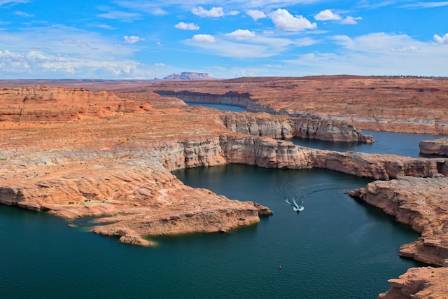
Lake Powell — Why You Should See It for Yourself
I’ve been visiting Lake Powell for many years now, and ever since getting married three years ago, it’s become a yearly summer tradition with my new family. Every trip feels like a favorite escape — peaceful, breathtaking, and completely unique. Few places in the world compare to Lake Powell, nestled between dramatic red-rock canyons that seem to stretch forever.