Publisering
Rediscovering the Foundation: The Journey into Classical Drawing
As an established figurative painter working primarily in oils, I reached a significant turning point in my creative journey last year. Despite my experience, I felt a persistent desire to elevate my work and challenge my existing boundaries, though the specific path forward remained unclear. To find clarity, I decided to return to the most fundamental aspect of the visual arts: the drawing board.
Henry Collins
Signatur
As an established figurative painter working primarily in oils, I reached a significant turning point in my creative journey last year. Despite my experience, I felt a persistent desire to elevate my work and challenge my existing boundaries, though the specific path forward remained unclear. To find clarity, I decided to return to the most fundamental aspect of the visual arts: the drawing board.
This was not a casual return to sketching, but a dedicated immersion into classical drawing techniques. These methods, which reached a peak in the 19th century, emphasize rigorous technical development—a contrast to the modern educational preference for pure expression over foundational skill. While I have used drawing as a preliminary step for paintings for years, I realized that my approach had been largely intuitive. Seeking a more structured methodology, I began a journey to master the academic standards of the past.
The Academic Path: Anatomy and the Bargue Method
My formal study began in 2023 under the guidance of a former director of the Florence Academy of Art, an institution at the forefront of the classical art revival. For an artist with a logical temperament, the academic approach was immediately appealing. I started with a deep dive into human anatomy, specifically the skull. Understanding the underlying bone structure and the various planes of the face provided a vital blueprint for how light interacts with form.
This stage required immense discipline and the repetition of similar subjects from varying angles. However, the resulting ability to accurately "block in" a subject made the effort worthwhile. Following anatomy, I progressed to the "Bargue drawing" method, named after the 19th-century French painter Charles Bargue. His famous drawing course involves meticulously copying black-and-white plates of classical sculptures.
This process utilizes "sight-size" and "comparative measurement" techniques to ensure absolute accuracy. For instance, a study of the Psyche of Capua required roughly six hours of concentrated effort, while a more complex project like the Belvedere Torso demanded nearly 18 hours of standing at the easel. These exercises have already begun to influence my studio practice, acting as a structural backbone for my oil paintings.
From Plaster Casts to Life: The Logic of Progression
The classical curriculum follows a deliberate and logical progression designed to build proficiency in layers. It begins with two-dimensional copies (Bargue plates) to master value and line. It then moves into three-dimensional territory with cast drawing—using white plaster casts under a single, static light source.
Working with a subject like The Unknown Woman of the Seine (L’Inconnue de la Seine) allowed me to practice capturing enigmatic expressions and subtle transitions of light without the complications of color or movement. This progression eventually leads to drawing from life, where the artist must contend with three-dimensional forms, full color, and the subtle shifts of a living subject. This systematic approach has significantly sharpened my hand-eye coordination and my ability to perceive shadow shapes and value scales.

The Core Advantages of a Classical Foundation
Integrating classical drawing into a contemporary figurative practice offers several profound benefits:
-
Heightened Observation: This discipline forces the artist to see the world with a more meticulous eye, focusing on the essential truths of form, proportion, and spatial relationships.
-
Technical Precision: Mastery of these tools provides a high level of medium control. While technique is not the end goal of art, it offers a powerful starting point for creative exploration.
-
Anatomical Insight: Understanding what lies beneath the skin—human or animal—allows for more realistic representations and unlocks new avenues for expressive distortion or emphasis.
-
Historical Connection: Engaging with these methods fosters a deeper appreciation for art history, providing a tangible link to the masters of previous centuries and their educational journey.
Merging Tradition with Contemporary Expression
Studying these traditional formulas has paradoxically given me the confidence to experiment more boldly in my modern work. By mastering the "rules" of representation, I find myself better equipped to break them intentionally. The refinement of my drawing skills has translated into a more confident application of paint and a renewed connection to my immediate surroundings.
However, classical technique is not a complete solution. True art requires the artist to infuse their personal perspective and unique voice into the work. While much of the contemporary art world focuses on conceptual installations and "found objects," I believe that figurative painting remains a vital medium for commentary and storytelling.
Technical skill should be viewed as a springboard—a set of tools that allows an artist to ask deeper questions and share complex ideas more effectively. By bridging the gap between centuries-old techniques and modern themes, I am finding a more thoughtful and empowered way to translate my experiences onto the canvas.
Andre saker du kanskje liker

Idyllic U.S. Small Towns That Transform into Winter Wonderlands
As the season transitions to winter, the allure of travel beckons. The good news is you don't need a passport to savor the magic of the upcoming chilly months. Across the United States, you'll discover a tapestry of snow-capped mountains, serene farmlands, cozy inns, and a myriad of outdoor activities. These picturesque small towns promise a winter escape that's nothing short of enchanting.
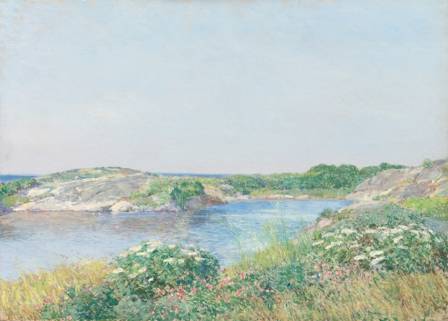
10 Renowned Landscape Paintings Worth Knowing
Landscape painting is a genre that long craved formal acknowledgment. It wasn’t until the 17th century that this theme established itself as an independent pictorial genre, standing alongside historical painting, portraiture, and still life. The 19th century witnessed substantial evolution in landscape art, marked by the emergence of the Barbizon School in 1830. From that point onward, plein-air painting grew more accessible, and nature emerged as the most inspiring subject matter. Lush forests, craggy cliffs, and tilled fields became the settings for the creative visions of certain painters. These artworks rank among the greatest masterpieces in the history of art.

10 Ridiculously Easy Soups Ready in 30 Minutes or Less
When time is short but you're craving a hot, comforting bowl of soup, these quick and simple recipes will save the day. You don’t need hours of simmering to enjoy a hearty, flavorful soup. Here are 10 delicious options that can be prepared in 30 minutes or less.

Mexican Summer Roll Salad: A Refreshing Fusion of Flavors to End Summer in Style
As summer draws to a close, the lingering heat still calls for meals that are light, vibrant, and packed with flavor—dishes that satisfy cravings without weighing you down. Enter Bodega Negra’s Mexican Summer Rolls, a brilliant fusion creation from the iconic New York City hot spot known for its modern twist on traditional Mexican cuisine. Blending the crisp, fresh elements of a taco salad with the portable,elegant format of Vietnamese spring rolls, these rolls strike the perfect balance between hearty and refreshing. Whether you’re hosting a game day gathering, packing a picnic for the park, or simply craving a quick yet satisfying weeknight meal, this recipe offers versatility, bold flavors, and a touch of culinary creativity that turns ordinary dining into a memorable experience. With tender grilled chicken, creamy avocado, zesty pico de gallo, and a spicy-savory jalapeño ranch dipping sauce, every bite is a celebration of summer’s best ingredients, wrapped in a delicate rice paper shell that’s both light and satisfying.
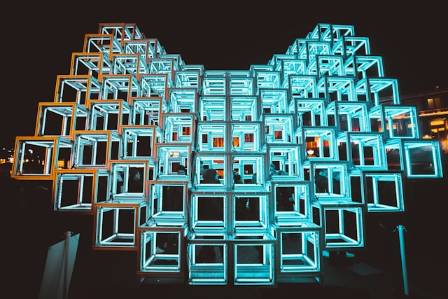
Understanding Cyberpunk Fashion: Aesthetics of the Digital Future
Cyberpunk fashion represents a fearless, forward-looking aesthetic that merges advanced technology with a rebellious, dystopian spirit. Characterized by somber palettes, technical textiles, and a gritty urban sensibility, this clothing movement draws its primary inspiration from science fiction and a reimagined society defined by neon aesthetics, mechanical integration, and societal friction.

8 Fascinating Things You Might Not Know About Santorini
Santorini has grown into one of the world’s most recognizable holiday destinations. With its majestic sunsets over the caldera and its maze of whitewashed houses built on steep cliffs, it’s become a favorite for weddings, honeymoons and bucket-list escapes.

The Comprehensive Manual for Women's Scarves: Fashion, Comfort, and Grace
Scarves have long been an essential component of every woman’s fashion collection. Whether you are layering up for the cold, accessorizing a sophisticated ensemble, or simply introducing a hint of refinement to your appearance, these accessories provide immense versatility and utility. From snug woolen wraps to airy silk shawls, a suitable option exists for every event and every time of year.

China's Top 10 Cities for Breathtaking Nightscapes
As darkness descends, cities across China illuminate in a dazzling display of lights, creating a golden tapestry that transforms the night into a vibrant spectacle. This glittering veil not only brightens the evening but also reveals each city's unique energy and prosperity. Here are our top recommendations for experiencing the most magnificent night views in China.

Yellow-bellied Marmot
The scientific name flaviventris means “yellow belly” (from Latin flavus = yellow, ventris = belly).
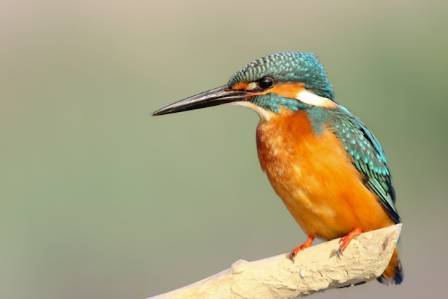
15 Stunning Birds of the World: Nature’s Beautiful Masterpieces
Welcome to a visual tour of the bird world. Birds fascinate us with their bright colors, detailed patterns, and graceful movements. Each species adds a unique touch to the natural landscapes they live in. From the showy displays of peacocks to the calm elegance of flamingos, these creatures fill us with wonder and appreciation.