Tilbake til forsiden

Publisering

10 Spectacular Rock - Cut Wonders Around the Globe

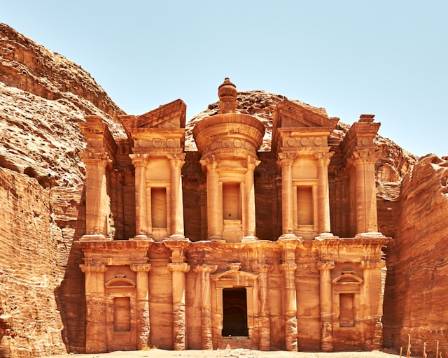
Situated in southern Jordan, Petra is a remarkable archaeological site and a prime example of a city ingeniously carved into a rockface. It once served as the capital of the Nabataean kingdom. Thanks to its strategic location at the crossroads of Arabia, Egypt, and Syria - Phoenicia, Petra became a thriving center for the incense trade.

N

Nathaniel Bennett

Signatur

10 Spectacular Rock - Cut Wonders Around the Globe

Petra, Jordan: The Rose - Red Gem of the Desert

Situated in southern Jordan, Petra is a remarkable archaeological site and a prime example of a city ingeniously carved into a rockface. It once served as the capital of the Nabataean kingdom. Thanks to its strategic location at the crossroads of Arabia, Egypt, and Syria - Phoenicia, Petra became a thriving center for the incense trade.
At its zenith in the 1st century AD, Petra was a bustling metropolis, home to as many as 20,000 people. The city boasted an array of magnificent structures, including temples where religious ceremonies were held, churches that provided spiritual solace, an amphitheatre for entertainment and public gatherings, public buildings that facilitated governance and community activities, reservoirs to store precious water in the arid region, and passages that connected different parts of the city.
Today, Petra is a UNESCO World Heritage Site, attracting visitors from all over the globe. Many people became acquainted with Petra through the movie "Indiana Jones and the Last Crusade." The movie's portrayal of the city's mysterious and awe - inspiring landscapes and architecture has piqued the curiosity of countless viewers, further fueling the allure of this ancient wonder.

Predjama Castle, Slovenia: The Inaccessible Fortress in the Cliff

Predjama Castle in Slovenia was constructed more than 800 years ago right in the middle of a cliff. The design of this castle was truly remarkable, aiming to be completely inaccessible and impregnable. It was built in such a way that it could endure long - term sieges and offer reliable protection to its inhabitants. In fact, it holds the title of the largest cave castle in the world.
Behind the castle, there exists a complex series of tunnels that wind their way throughout the cliff. According to legend, in 1483, the knight Erazem of Prejama killed a relative of Holy Roman Emperor Frederick III and then fled to his castle. During a siege on the castle, Erazem managed to survive for over a year. He made full use of the tunnels to obtain food supplies, which was crucial for his survival during that difficult time. This heroic and adventurous story has been passed down through generations, adding a touch of mystery and charm to the already magnificent Predjama Castle.

Ellora, India: A Testament to Religious Harmony in Stone
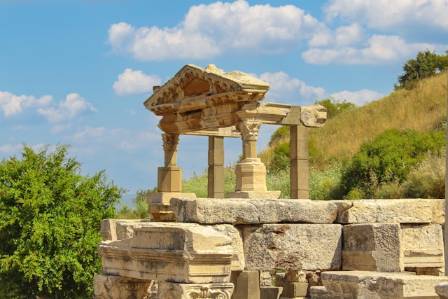
Constructed between 600 - 1000 AD, the Ellora Caves are a remarkable complex that sprawls across 2 km of land and consists of 34 monasteries and temples. These structures are not just ordinary buildings; they are sanctuaries that represent the three major religions in India - Buddhism, Hinduism, and Jainism.
The co - existence of these religious establishments within the Ellora Caves is a powerful testament to the long - standing tradition of tolerance and harmony among different religions in India. The caves dedicated to Buddhism showcase the peaceful and meditative aspects of the faith, with sculptures and carvings that depict the life and teachings of Buddha. Hindu temples at Ellora are adorned with elaborate and vibrant sculptures of various deities, representing the rich mythology and spiritual concepts of Hinduism. The Jain caves, on the other hand, exhibit the principles of non - violence and asceticism central to Jain philosophy.
Today, as a UNESCO World Heritage Site, the Ellora Caves offer us an invaluable window into India's spiritual, cultural, and social history. They tell the story of a time when people of different religious beliefs lived side by side, sharing ideas, art, and culture. Through these ancient rock - cut structures, we can understand the religious, social, and artistic practices of the past, making Ellora a significant cultural and historical landmark not only for India but for the entire world.

Lycian Tombs, Turkey: Resting Places with a Celestial Aspiration

Built in the 4th century, the Lycian Tombs overlook the city of Fethiye in Turkey. The Lycians held a unique belief about the afterlife. They were convinced that magical winged creatures would transport their deceased to the afterlife. As a result, they chose to bury their dead at geographically higher locations. This spiritual belief greatly influenced the construction and location of the Lycian Tombs.
The exteriors of these tombs are truly magnificent. They were designed with grandeur in mind, perhaps to honor the dead and make a statement about the Lycian culture and its reverence for the afterlife. However, in contrast to their impressive exteriors, the interiors of the Lycian Tombs were relatively simple. Chambers were carved into the rock to display the bodies, serving the basic purpose of providing a resting place for the deceased. These tombs not only represent the funerary practices of the Lycian people but also offer valuable insights into their religious beliefs and cultural values.

Ajanta Caves, India: Masterpieces of Buddhist Art and History

Built between the 2nd century BC and 650 AD, the Ajanta Caves are a group of 30 Buddhist cave monuments. These caves are hailed as one of the finest specimens of ancient Indian and Buddhist art. The paintings and sculptures within the caves vividly depict the lives of Buddha, presenting a detailed and profound insight into Buddhist teachings, philosophy, and the cultural context of that era.
The artistry in the Ajanta Caves is truly remarkable. The colors of the paintings, although faded over time due to natural wear and tear, still manage to showcase the skill and creativity of the ancient artists. The sculptures are intricate, with every detail carefully crafted, from the serene expressions on the faces of the Buddha figures to the elaborate clothing and jewelry they adorn.
Historically, these caves served multiple purposes. Monks used them as places of meditation, study, and retreat. Merchants traveling along the trade routes found them to be convenient rest stops. Pilgrims, driven by their deep - seated religious devotion, made long - distance journeys to visit these caves, seeking spiritual enlightenment and blessings. During the monsoon season, when traveling became difficult due to heavy rains, the caves provided a safe haven for all these travelers.
Today, the Ajanta Caves have achieved the prestigious status of a UNESCO World Heritage Site. They have become a major tourist attraction in Maharashtra, drawing visitors from all corners of the world. Tourists flock to the caves to marvel at the ancient art, learn about the rich Buddhist heritage, and soak in the spiritual and historical ambiance that permeates the place.

Longmen Caves, China: A Monument of Buddhist Devotion and Resilience

In the city of Lalibela, Ethiopia, there are 11 remarkable rock - hewn churches. These were built during the reign of King Gebre Mesqel Lalibela, from 1181 - 1221. King Lalibela had a profound and ambitious vision. He aimed to recreate Jerusalem within his own kingdom, hoping to bring the spiritual essence and significance of the holy city of Jerusalem closer to his people.
Among these 11 churches, 7 stand as free - standing structures, while 4 are carved directly into the mountain. Each church is a masterpiece of ancient architecture, with intricate carvings and unique designs that showcase the extraordinary craftsmanship of that era.
These churches hold a central and irreplaceable position in the Ethiopian Orthodox Christian Church. They are not just historical buildings but living spiritual centers. To this day, they are used for daily worship, where the faithful gather to offer their prayers, seek spiritual guidance, and connect with the divine. During religious festivals, the churches come alive with vibrant celebrations, music, and religious processions. The festivals are an important part of the religious and cultural life of the Ethiopian Orthodox community, and the Lalibela Churches are the focal points of these joyous and solemn occasions, attracting pilgrims from all over Ethiopia and beyond.

Cliff Palace, USA: Ancient Refuge in the Colorado Cliffs

Built in the 13th century, the Cliff Palace is located in Colorado, USA. It holds the title of the largest cliff dwelling in North America. The Ancestral Puebloans, an ancient Native American culture, constructed this palace into the sandstone cliff. The main reason behind its construction was to escape the changing climate of Colorado.
Research indicates that the Cliff Palace had around 150 rooms, which were likely inhabited by about 100 people. However, by the 14th century, the site was abandoned, perhaps due to a severe drought that made the area uninhabitable.
It was rediscovered in 1888 by Richard Wetherill and Charlie Mason while they were out searching for cattle. After its rediscovery, efforts were made to restore the Cliff Palace. Today, it has been successfully restored and is open to the public. People from all over the world visit this ancient site to admire the architectural ingenuity of the Ancestral Puebloans and to learn about the history and way of life of this ancient Native American culture.

Sassi Di Matera, Italy: A City with Millennia - Old Roots in Rock
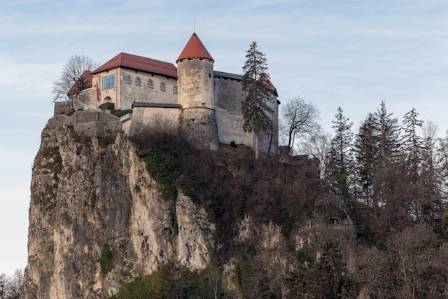
The area of Matera in Italy has a human settlement history that dates back to the Paleolithic period. Approximately 9,000 years ago, settlers began a unique architectural practice - building houses, known as the Sassi, directly into the rocks. This makes it one of the oldest instances of continuous human inhabitation in the world.
Over generations, the town underwent continuous renovation and expansion. Caverns were carved out to create living spaces, homes were built with an eye for both functionality and adaptation to the rocky terrain, churches were constructed to meet the spiritual needs of the community, and tombs were created to honor the deceased. The result is a unique and captivating landscape of cave - dwellings, with a rich blend of history, culture, and architecture that tells the story of the people who have lived there for thousands of years.

Kropfenstein Castle, Switzerland: A Mysterious Cliff - Hugging Fortress

The exact time of construction and the reason behind the building of Kropfenstein Castle in Switzerland remain unknown. However, experts believe that the castle was in use between the 13th and 15th centuries. To reach the castle, a path was constructed along the rockface on the east side. The castle's layout follows the natural edge of the cliff, which gives it an unusual and distinct shape. This unique architectural feature not only makes the castle blend in with the surrounding natural environment but also adds to its mysterious charm. It stands as a silent testament to the medieval architecture and the ingenuity of the people who built it, waiting for more research to uncover its hidden stories.

Conclusion: The Timeless Allure of Rock - Cut Wonders

Each of these ten rock - cut wonders, from the ancient city of Petra in Jordan to the mysterious Kropfenstein Castle in Switzerland, holds a unique place in the annals of human history and architecture. They are testaments to the extraordinary ingenuity, creativity, and perseverance of our ancestors.
Petra's strategic location and magnificent architecture, Predjama Castle's impregnable design and legendary tales, the religious harmony represented in the Ellora Caves, the spiritual beliefs reflected in the Lycian Tombs, the artistic masterpieces in the Ajanta Caves, the historical and religious significance of the Longmen Caves, the holy city of Lalibela Churches, the ancient refuge of Cliff Palace, the millennia - old settlement of Sassi Di Matera, and the mysterious Kropfenstein Castle - all these sites offer us a glimpse into different cultures, eras, and ways of life.

Andre saker du kanskje liker

Mount Blue Sky

Mount Blue Sky

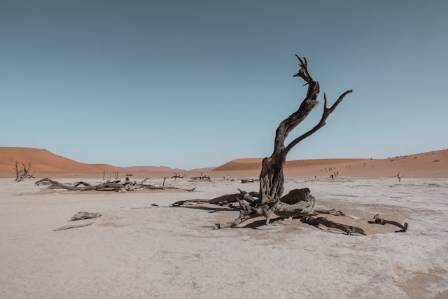
Mount Blue Sky (formerly Mount Evans) is the highest peak within the Mount Evans Wilderness in Colorado’s Front Range.
LLily Richardson
How to Revive a Dehydrated Tree: A Guide to Rehydrating Underwatered Trees

How to Revive a Dehydrated Tree: A Guide to Rehydrating Underwatered Trees

Trees, like all living plants, rely on a consistent supply of water to grow, maintain health, and perform photosynthesis. When a tree goes without moisture for too long, it becomes parched and may exhibit signs of serious stress. Helping such a tree recover involves more than just splashing water at its base—it requires a targeted approa

MMason Vickery
The Evolution of Rocketry: From Ancient Theory to Interplanetary Exploration

The Evolution of Rocketry: From Ancient Theory to Interplanetary Exploration

Rocket technology, while seemingly a modern marvel, is built upon scientific principles tested over two millennia. Although humans have only ventured into space within the last 70 years, the journey from steam-powered wooden pigeons to autonomous reusable boosters is a testament to centuries of cross-cultural innovation. Today, rockets are the essential vehicles for global telecommunications, scientific research on the International Space Station, and the burgeoning commercial spaceflight industry.

NNathaniel Oscar Westbrook
Understanding the Role of Color Blocking in Visual Art

Understanding the Role of Color Blocking in Visual Art

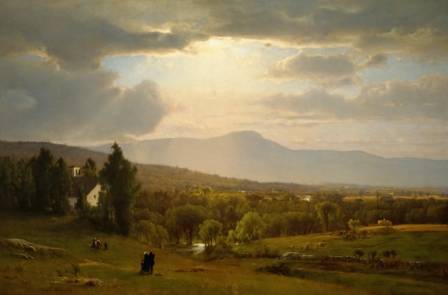
Color blocking is a fundamental technique used by artists to explore how different lighting conditions influence the appearance of hues. This method allows creators to gain a deeper comprehension of light's impact on their work by simplifying the visual field. Expert colorist Camille Przewodek frequently emphasizes this practice, drawing a parallel between color blocking for painters and the practice of scales for musicians. It serves as a foundational exercise that informs the rest of the creative process, particularly in the realm of outdoor or plein air painting.
FFelix Marlowe
The Modern Era of Landscape Painting: Breaking Boundaries and Redefining Nature

The Modern Era of Landscape Painting: Breaking Boundaries and Redefining Nature

Landscape art, once relegated to the background of portraiture and historical scenes, underwent a revolutionary transformation during the Modern Era (late 19th to early 20th century). This pivotal period marked a departure from the rigid conventions of realistic representation, as artists dared to prioritize emotion, perception, and experimentation over literal depictions of nature. From Claude Monet’s ethereal light studies to Egon Schiele’s raw, expressive brushwork, modern landscape painters redefined not only how we see the natural world but also how we connect with it on a deeply personal, sensory level. This exploration delves into the ideological shifts, technical innovations, and artistic visionaries that shaped this era, revealing how landscape painting evolved from a mere record of scenery to a powerful medium of self-expression and cultural commentary.
OOliver Harris
7 Reasons Why Sunsets at Sea Are Unforgettable

7 Reasons Why Sunsets at Sea Are Unforgettable

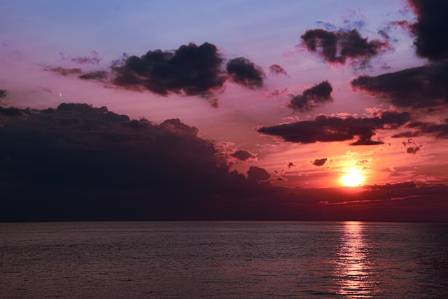
There’s a unique charm in witnessing a sunset from the water. As the sun sinks below the horizon, it bathes the sky in vibrant oranges, pinks, and purples, while the calm ocean mirrors these colors, creating a breathtaking spectacle. Whether you’re sailing on a boat or floating along the shoreline, sunsets at sea offer a rare combination of beauty, serenity, and a deep sense of connection with nature. In this article, we’ll explore what makes these sunsets so special, share some of the best locations to experience them, and provide tips to enhance your sunset viewing experience.
DDean
10 Captivating Ancient Reliefs and Stone Carvings: Windows to Civilizations Past

10 Captivating Ancient Reliefs and Stone Carvings: Windows to Civilizations Past

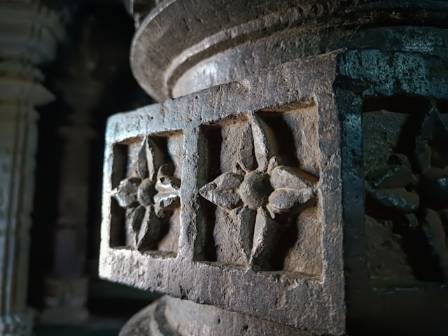
From the earliest days of human existence, when our ancestors etched primitive symbols into cave walls, the urge to create has been an intrinsic part of what it means to be human. As civilizations evolved, so too did artistic expression—from simple rock engravings to elaborate sculptures and reliefs that adorned temples, palaces, and sacred sites. Unlike paintings or textiles, which are often fragile and susceptible to decay, stone carvings and reliefs possess a remarkable durability. Carved into hard materials like sandstone, granite, and limestone, they have survived for thousands of years, offering us a direct window into the past.

OOlivia Martinez
Capturing the Ideal Fashion Shot: A Photographer's Guide

Capturing the Ideal Fashion Shot: A Photographer's Guide

In today's world brimming with aspiring models, photographers – whether budding, neophyte, or professional – hold the key to making their mark. As these budding models aspire to create professional portfolios, they seek out adept fashion photographers capable of producing stunning images. These models crave photographers who can expertly capture an array of angles, the most flattering looks for various themes and styles, and, above all, the perfect fashion shot.

NNoah Sebastian
The Ultimate Guide to Iconic Macaron Flavors and Colors

The Ultimate Guide to Iconic Macaron Flavors and Colors

Selecting the right macaron involves a harmony of visual appeal and gourmet taste. These delicate French confections are as much about their vibrant presentation as they are about their complex fillings. Whether you are planning a themed celebration or simply indulging at home, understanding the nuances of different flavor profiles and their corresponding hues can help you curate the perfect assortment.

EEleanor Faith Whitmore
Fascinating Insights and Historical Tidbits Regarding Buses

Fascinating Insights and Historical Tidbits Regarding Buses

Buses are remarkable vehicles that play a vital role in global mobility and education. From their humble beginnings as horse-drawn carriages to the massive articulated machines of today, the history of the bus is filled with unique milestones. Exploring these facts reveals how transportation has evolved to serve the public more efficiently across different eras and continents.

IIsaac Jonathan Kingsley