Publisering
Exploring the Enigma of Animal Emotions: What Do They Feel?
The question of whether animals possess emotions is a subject that has intrigued humans for generations. We often find ourselves attributing human-like feelings to the behaviors of animals, but from a scientific perspective, this matter remains tantalizingly open. In our quest to decipher the enigma of animal emotions, it's essential to navigate through the intricate web of human perception and objectivity.
Elara Faye
Signatur
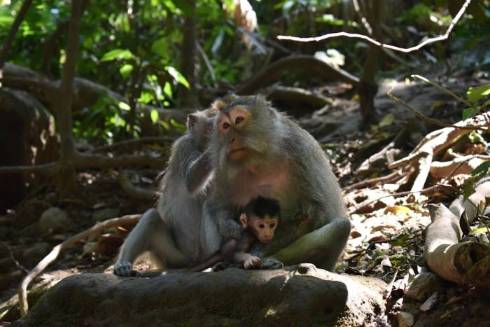
The question of whether animals possess emotions is a subject that has intrigued humans for generations. We often find ourselves attributing human-like feelings to the behaviors of animals, but from a scientific perspective, this matter remains tantalizingly open. In our quest to decipher the enigma of animal emotions, it's essential to navigate through the intricate web of human perception and objectivity.
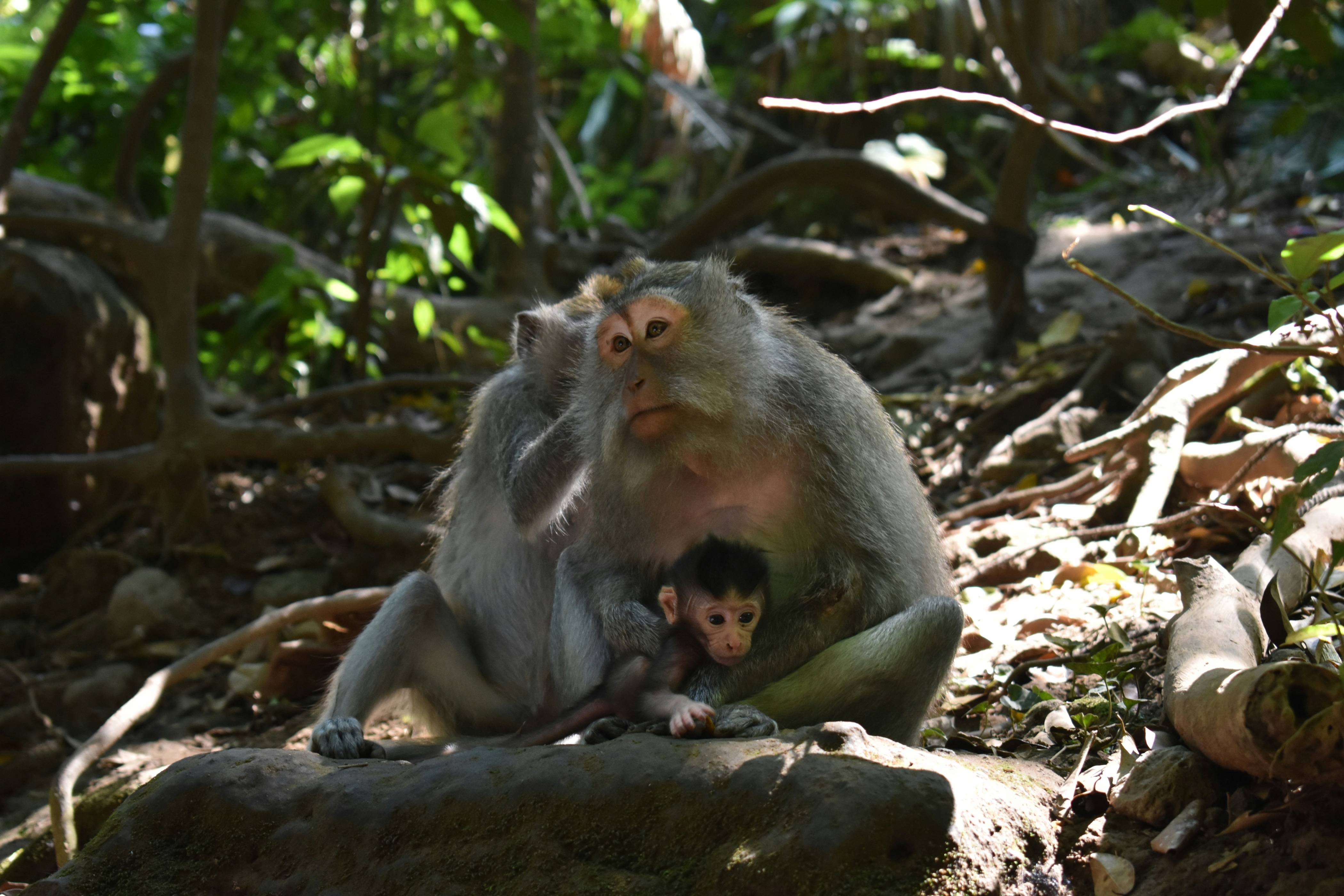
The Biological Foundation of Mood
Mood, distinct from emotion, is a product of intricate biological processes that regulate an organism's bodily functions through electricity and complex chemical interactions. These processes not only sustain life but also contribute to our general mood, a summary of how our entire body is functioning. Our mood can range from pleasant to unpleasant and from a state of stillness to activation. It's crucial to note that mood is ever-present, even when we aren't in the midst of an emotional experience.
Can Animals Feel Mood Like Humans?
The core question revolves around whether animals consciously experience mood in a manner akin to humans. Unfortunately, animals cannot communicate their feelings to us directly, making it a complex challenge to definitively answer this question. To glean insights into this enigma, philosopher Peter Godfrey-Smith offers three potential behavioral clues:
1. Tending to Injured Body Parts: Animals, including birds, mammals, octopuses, and crustaceans, display behaviors suggesting they tend to and protect their injured body parts. However, flies can lose a limb and continue unperturbed.
2. Considering Costs and Benefits: Some animals, such as crabs, are willing to endure electric shocks to remain in a particular location when they detect the scent of a predator.
3. Seeking Pain Relief: Chickens, when injured, opt for drug-laced feed over regular feed, indicating a preference for pain relief. Certain fish may venture into shallower waters, where predators lurk, to access and consume opioids. However, bees do not exhibit these types of behaviors.
Defining Emotions in Animals
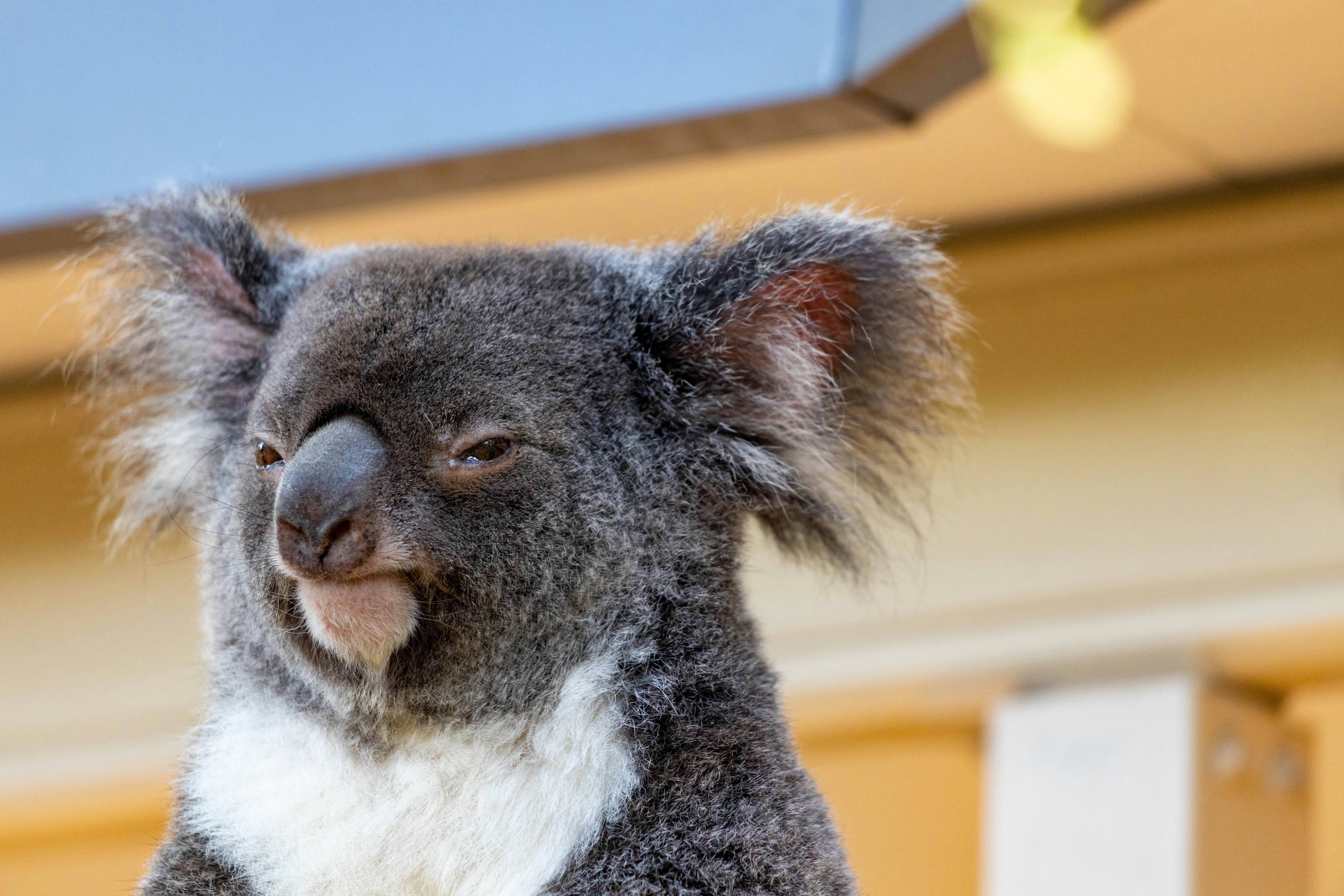
The transition from mood to emotion is complex and hinges on how one defines "emotion." Different scientists offer various definitions:
Specific Feelings: Some researchers define emotions as specific feelings, like the dread of fear, and inquire whether animals experience these feelings.
Behaviors with Survival Functions: Other scientists view emotions as behaviors that serve vital survival functions, such as actions enabling an animal to escape a predator.
Brain Circuits Corresponding to Behaviors: A third group defines emotions as specific brain circuits associated with these behaviors. They seek, for example, a dedicated "fear circuit" responsible for inducing freezing in situations humans perceive as fearful.
Each definition requires human inference—observing an animal's physical state and making educated guesses about its psychological significance. This brings us to the heart of the issue: how much of the "emotion" we perceive in animals is truly inherent in them and how much is a construct of our own human brains?
The Subjectivity of Human Perception
To explore this question, we must first acknowledge that human perception tends to categorize and group things together as similar, even when they possess distinct physical characteristics. In the context of animal emotions, the emotional interpretations we ascribe to their behaviors are largely products of our own brain's categorization process.
Consider the following examples involving a fly, a rat, and a human in situations deemed frightening:
Swinging a fly swatter above a fly prompts the fly to rub its legs together rapidly.
Training a rat to associate an audio tone with a painful shock results in the rat freezing in place.
Observing a person followed by a stranger on a dark street leads the person to widen their eyes, constantly look back, and experience a pounding heart.
Though these three examples exhibit vastly different physical responses, a typical scientist would conclude that each situation induces a state of fear in the respective being. The commonality here is not in the physical manifestations but rather in the scientist's interpretation. We naturally group disparate movements, sounds, and signals into a unified category, imbuing them with emotional significance.
The Power of Human Categorization
This human tendency to categorize extends beyond the realm of animal emotions. For instance, when classifying planets, we group Mercury, Earth, and Jupiter together, even though they are fundamentally different in terms of size and composition. Our brains focus on abstract features, such as "orbits the sun," while overlooking substantial disparities in size and substance, creating the category of "planet." Similarly, the emotions we perceive in animals are human creations, manifestations of our propensity to categorize and attribute emotional meaning to behaviors.
Animal Emotions Through the Lens of Human Perception
Animal emotions, as we observe and interpret them, are not imaginary, but rather products of human cognition. When we label an animal as fearful, we are not objectively detecting fear. Instead, we are constructing this interpretation within our own brains almost instantaneously. We consolidate various physical cues into a shared category of "emotion," such as crying in sadness, screeching in terror, or skulking in guilt.
However, the critical point is that this process of interpretation is a human construct. While an observer may categorize a fly's leg-rubbing as fear, it remains uncertain whether the fly's brain is equipped to engage in such abstract categorization. The same question applies to the brains of cats, dogs, and other animals. To the best of our knowledge, only certain animals, such as chimps, possess the cognitive wiring to compute these complex abstractions. Consequently, an animal's emotional state, as perceived by humans, may not necessarily mirror the creature's internal reality.
The Role of Science and Empathy

In scientific research, it is paramount to distinguish between physical observations and mental interpretations. Failing to do so can lead to significant misconceptions. For instance, discovering a brain circuit controlling freezing behavior in rats should not immediately lead to labeling it as a "fear circuit" and assuming that a drug suppressing it will treat human disorders like PTSD.
When we step outside the laboratory, it is indeed beneficial to approach other animals with empathy, as it encourages inclusivity and compassion. However, it's equally vital to resist the temptation to perceive animals as inferior versions of humans, rich in emotion but lacking the rationality to manage it. Such a perspective can inadvertently lead to the mistreatment of creatures we perceive as less sophisticated than ourselves.
A Respectful and Scientific Approach
Perhaps a more respectful and scientifically constructive approach is to contemplate animals on their own terms. Animals possess unique sensory abilities and experiences. They can see and smell things that lie beyond our human perception. Just as they perceive a broader sensory spectrum, they may experience emotions or states of being that we cannot fully comprehend. For example, when an elephant stands vigil over another's body, we might instinctively interpret it as a form of grief. But are we certain that the elephant is not guarding the body from scavengers, celebrating the removal of a rival, or undergoing an experience beyond our human understanding?
While the notion that animals share our emotions is compelling and intuitive, the answers we provide may reveal more about our human perspective than about the animals themselves. It is within the realms of animal cognition and emotion that the mysteries of their experiences and consciousness lie, awaiting further exploration and understanding.
Andre saker du kanskje liker

Capturing the Ideal Fashion Shot: A Photographer's Guide
In today's world brimming with aspiring models, photographers – whether budding, neophyte, or professional – hold the key to making their mark. As these budding models aspire to create professional portfolios, they seek out adept fashion photographers capable of producing stunning images. These models crave photographers who can expertly capture an array of angles, the most flattering looks for various themes and styles, and, above all, the perfect fashion shot.

6 Strategies for Managing Intense Emotions
Below are approaches to assist you in regulating your emotions effectively.
The 8 Most Stunning Coral Reefs You Need to See
Coral reefs are vibrant underwater metropolises, hosting an astonishing variety of marine creatures while playing a crucial role in protecting endangered life. From sprawling reef systems that stretch for miles to dazzling networks bursting with color, these natural wonders remind us of the ocean’s beauty and resilience. Let’s dive into eight of the most breathtaking reefs around the globe.

The Integration of Autonomous Systems in Metalcasting and Machining
The implementation of advanced robotics within the manufacturing sector, specifically in metalcasting and precision machining, has seen a consistent upward trajectory since the late 20th century. Modern industrial automation increasingly utilizes these systems to enhance operational throughput and transition human personnel away from taxing, repetitive manual duties.

3 Must-Know Facts About Bottlenose Dolphins
The bottlenose dolphin is an intelligent, sleek marine mammal that inhabits most of the world's oceans, including the coastal waters of the UK. Conserving marine dolphins such as these contributes to the overall health of our oceans—benefiting all other marine life and the billions of people who depend on the sea.
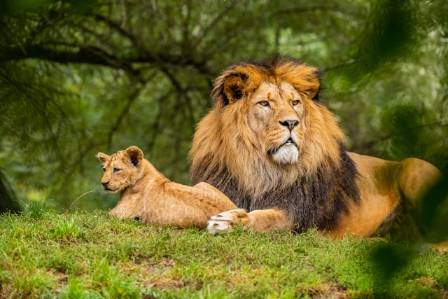
Top 10 Interesting Realities About Lions
There are two officially identified subspecies of these big cats.

Delving into the Enigmatic World of Koalas: 10 Fascinating Insights
Embark on a journey to uncover the remarkable world of Koalas, their challenges, and what we can do to protect them.

Do You Know Why People Still Use Typewriters in Modern America
At first glance, typewriters might look like dusty antiques that belong in a museum rather than on a desk. But in a country overflowing with laptops, tablets, and smartphones, these clunky machines continue to surprise people with their staying power. Across the United States, typewriters are not just collector’s items—they remain dependable tools for offices, legal practices, and even individuals who want an alternative to the glowing screen.

Giant Rainbow Candy Bar: A Vibrant, Sweet Treat
Cut into this chocolate-covered nougat bar to reveal brilliantly colored layers of red, orange, yellow, green, blue, indigo, and purple—this Giant Rainbow Candy Bar is not only visually stunning but also a delightful indulgence that’s sure to brighten anyone’s day. With a chewy marshmallow nougat center and a smooth dark chocolate coating, it’s a fun twist on traditional homemade candy, perfect for celebrating special moments or simply adding a pop of color to gloomy days.

7 Hidden Truths About Canvas Oil Painting You Had No Idea About
Are you captivated by the charm of canvas oil painting yet have no clue how to craft such works yourself? In this piece, we’re spilling 7 lesser-known truths about making oil paintings on canvas. We’ll also toss in some pro tips and hacks to help you achieve a flawless final look. Whether you’re a total novice picking up a brush for the first time or a seasoned artist with years of experience, this article is tailored just for you!