Tilbake til forsiden

Publisering

Essential Foods Across the Globe

Food is deeply woven into the fabric of daily life and cultural heritage. It reflects environmental conditions, historical developments, and agricultural traditions. Core dietary staples not only sustain populations but also represent regional identity and social customs. For businesses stepping into international markets, having a grasp of these essential ingredients is vital—not just for product adaptation but also for successful cross-cultural communication, including localization and translation strategies.

N

Natalie Vasseur

Signatur

Essential Foods Across the Globe
Food is deeply woven into the fabric of daily life and cultural heritage. It reflects environmental conditions, historical developments, and agricultural traditions. Core dietary staples not only sustain populations but also represent regional identity and social customs. For businesses stepping into international markets, having a grasp of these essential ingredients is vital—not just for product adaptation but also for successful cross-cultural communication, including localization and translation strategies.
This article looks at staple foods from various continents, examining how they differ and what these differences mean for businesses working across cultures. We’ll also explore how food-related traditions affect the way companies tailor their messaging for global audiences.

Defining Staple Foods

A staple food is a primary dietary component eaten frequently and in large quantities. It supplies a major portion of an individual's energy and nutrition. While items like rice, maize, and wheat are widely consumed around the world, each culture adapts these ingredients in ways that reflect their farming practices, weather conditions, and culinary preferences.
Beyond nutrition, staple foods often carry symbolic weight, linked to traditions, festivals, and social values. For companies aiming to connect with international audiences, recognizing the emotional and cultural ties to food is crucial in creating content that feels authentic and locally relevant.

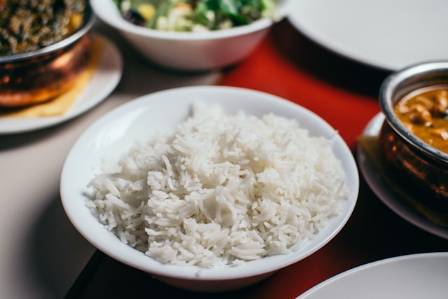
Rice: Asia’s Culinary Foundation

China

In China, rice holds a central place in southern regions, whereas the north leans toward wheat-based cuisine. Southern dishes often incorporate jasmine or sticky rice, featured in everything from daily meals to ceremonial feasts. Conversely, in the north, people rely more on steamed buns, dumplings, and noodles.
When adapting content for Chinese consumers, acknowledging these regional eating habits is essential. A campaign in southern China, for example, would resonate better if it spotlights rice-based meals, while northern campaigns should reflect wheat-oriented products.

India

India presents a similar contrast. In the south and east, rice forms the core of dishes like dosa, biryani, and plain rice with curry. In northern areas such as Punjab and Uttar Pradesh, flatbreads made from wheat—like roti, paratha, and naan—are dominant.
Localization strategies for India must align with these culinary divisions. Tailoring marketing efforts to highlight rice-based dishes in southern markets or wheat-based meals in the north allows companies to speak directly to regional tastes.

Japan and Korea

Rice is deeply ingrained in the food culture of both Japan and Korea. Japanese meals commonly include sticky short-grain rice, featured in traditional foods like sushi, onigiri, and donburi. In Korea, short-grain rice also appears daily, often accompanied by assorted side dishes. Popular meals like bibimbap and kimchi fried rice showcase its importance.
Successful localization in these countries means aligning product messaging with the central role rice plays in everyday dining and cultural tradition.

Southeast Asia

In countries like Thailand, Vietnam, Indonesia, and the Philippines, rice goes beyond nutrition—it's part of cultural identity.
In Thailand, fragrant jasmine rice pairs with spicy curries and stir-fried dishes like pad Thai.
In Vietnam, rice appears as noodles or rice paper wrappers in pho and fresh rolls.
In Indonesia, rice is a staple in meals such as nasi goreng and is often paired with fiery sambal.
Marketing materials aimed at Southeast Asian audiences must respect the centrality of rice and adapt to its local variations in preparation and presentation.

Wheat: Europe and North America’s Staple
France

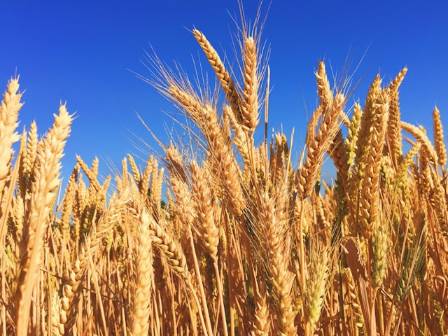
Wheat is foundational in France, where bread—especially the iconic baguette—is consumed daily. Other baked goods, such as croissants and brioches, are just as integral to French life.
When adapting content for French consumers, it’s essential to highlight authenticity and craftsmanship. Careful translation of food terms and attention to traditional culinary values can reinforce a brand’s credibility.

Italy

Italy’s rich pasta tradition demonstrates how wheat is embedded in national identity. Each region has its own types of pasta, such as spaghetti in the south and ravioli in the north.
For companies entering the Italian market, it’s not enough to mention pasta—you must also reflect regional pride and culinary expertise in both product presentation and translated materials.

Maize: The Backbone of the Americas

Mexico

In Mexico, corn is more than sustenance—it’s a cultural cornerstone. From tortillas to tamales, maize shapes much of the national cuisine.
Understanding the symbolic importance of corn is critical when adapting content for Mexican consumers. Marketing efforts should reflect maize’s cultural weight and its presence in both everyday and festive meals.

United States

In the U.S., corn has diverse uses—from cornmeal and grits to popcorn and high-fructose syrup. It also plays a vital role in agriculture and processed foods.
Localization in the American market requires attention to regional differences. For example, southern cuisine features cornbread and grits, while Midwest traditions highlight corn on the cob or casseroles. Effective messaging should recognize and adapt to these local variations.

Potatoes: A Global Culinary Fixture

Ireland

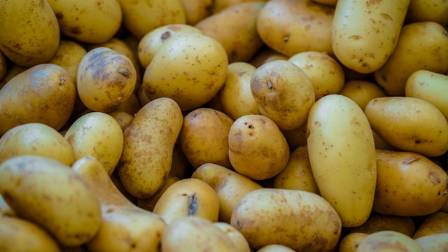
In Ireland, the potato has long been a food staple, forming the base of traditional dishes like Irish stew. The memory of the Great Famine further deepens the cultural significance of potatoes.
Brands aiming to connect with Irish consumers should be sensitive to this history and the emotional resonance of the potato in both modern and historical contexts.

South America

Originating in the Andes, the potato is native to countries like Peru and Bolivia, where thousands of varieties exist. Regional dishes such as papas a la huancaína and causa rellena celebrate the diversity of this crop.
Localization efforts in South America should emphasize native ingredients and regional specialties, while also reflecting linguistic nuances that vary across countries.

Final Thoughts

Staple foods offer a window into the daily life, traditions, and values of a society. For companies expanding into global markets, understanding the local foodscape is an essential part of connecting with consumers. Whether it’s adjusting product offerings to suit regional tastes or tailoring content to reflect cultural sensitivities, aligning with the local food identity builds trust and relevance.
As businesses grow their international reach, recognizing and respecting staple foods can inform smarter strategies in both marketing and product development—ensuring meaningful engagement across cultural boundaries.
If you're looking to refine your content for global audiences, consider how staple foods influence language, perception, and emotional resonance. Thoughtful localization isn’t just about words—it’s about culture.

Andre saker du kanskje liker

How to Paint a Wheat Field

How to Paint a Wheat Field

Painting a wheat field is a delightful and approachable project for beginner artists. This tutorial focuses on blending colors, creating texture in the field, and adding small details such as a utility pole with wires. Follow these simple steps to bring your wheat field painting to life!

DDylan Reed
Bracelet Wearing Guide – How to Style Bracelets to Look Stunning

Bracelet Wearing Guide – How to Style Bracelets to Look Stunning

Bracelets have been worn for centuries. From simple, primitive versions made of natural materials to modern, intricate designs, bracelets have evolved into one of the most fashionable accessories.

IIsabella Clarke
Essential Realities of the Hermit Crab

Essential Realities of the Hermit Crab

Often marketed as "starter pets" or low-maintenance companions, hermit crabs are actually highly sophisticated creatures with specialized needs. Because they are sentient beings with complex biological requirements, the commercial pet trade frequently fails to provide the environment necessary for their survival. Understanding the true nature of these animals reveals why they belong in their natural habitats rather than in small plastic tanks.

KKevin Porter
All About Beagles: Key Information and Traits of the Breed

All About Beagles: Key Information and Traits of the Breed

Beagles are gentle, playful hound dogs that love taking slow, leisurely walks and then spending lots of relaxing time beside their owners. Though small in size, they were originally bred for hunting, and to this day, their sense of smell guides almost everything they do. Their sharp noses make them a top pick for hunters chasing small game, and you’ll often see them working as detection dogs at U.S. borders, searching for illegal items. Beagles need plenty of daily physical activity and fit well into active family lifestyles. These small pups have long been a favorite among American families and consistently rank among the most popular dog breeds in the United States.

GGrace Mitchell
Donald Harris

Donald Harris

Giraffes are remarkable for their height, yet the story of these towering creatures goes beyond long necks. This article gathers five intriguing facts about giraffes, from biology and parenting to relatives and physiology, offering a concise look at how they thrive in Africa’s varied landscapes.

TThe Most Fascinating Giraffe Facts
10 Captivating Ancient Reliefs and Stone Carvings: Windows to Civilizations Past

10 Captivating Ancient Reliefs and Stone Carvings: Windows to Civilizations Past

From the earliest days of human existence, when our ancestors etched primitive symbols into cave walls, the urge to create has been an intrinsic part of what it means to be human. As civilizations evolved, so too did artistic expression—from simple rock engravings to elaborate sculptures and reliefs that adorned temples, palaces, and sacred sites. Unlike paintings or textiles, which are often fragile and susceptible to decay, stone carvings and reliefs possess a remarkable durability. Carved into hard materials like sandstone, granite, and limestone, they have survived for thousands of years, offering us a direct window into the past.

OOlivia Martinez
Avian Lifespans: Parrots and Their Feathered Kin

Avian Lifespans: Parrots and Their Feathered Kin

The lifespans of parrots and other avian companions are truly remarkable, spanning anywhere from 10 to 50 years or even more, contingent upon the species and the quality of life they enjoy. Parrots constitute a diverse group of birds, boasting over 300 distinct species that exhibit a vast array of sizes, from diminutive birds that nestle in your hand to magnificent avians rivaling a cat's size. Their lifespans mirror this diversity.

SSerenity Nova
Mastering the Art of Preparing for a Long Bike Ride

Mastering the Art of Preparing for a Long Bike Ride

Long-distance cycling, whether it's a scenic canyon exploration, a day-long race like Lotoja, or an ambitious endeavor like South Africa's Cape Epic, requires a unique set of skills and unwavering dedication. It's more than just a bike ride; it's a journey that pushes your limits, tests your endurance, and rewards you with both physical and mental benefits. Preparing for a long bike ride involves a specific set of considerations, regardless of whether it's a race, multi-day adventure, or a solitary journey of self-discovery.
SSophia Rose
The Cultural Significance of Mooncake in Traditional Chinese Festivals

The Cultural Significance of Mooncake in Traditional Chinese Festivals

Mooncake is far more than a mere confection in Chinese culture; it is an emblematic carrier of history, family values, and spiritual beliefs, deeply intertwined with the fabric of traditional festivals—most notably the Mid-Autumn Festival. For millennia, this round, pastry-like delicacy has transcended its role as food, becoming a tangible symbol of family reunion, harvest gratitude, and cultural continuity. Whether shared among loved ones beneath the full moon or exchanged as a gesture of goodwill, mooncakes embody the essence of Chinese communal and spiritual life, bridging past and present, and connecting generations through taste, tradition, and symbolism. Its significance extends beyond culinary pleasure, serving as a cultural touchstone that reflects the Chinese people’s reverence for nature, emphasis on family bonds, and commitment to preserving ancestral customs.

LLiam
Top 10 Fastest Century In ODI Cricket History (2025 List)

Top 10 Fastest Century In ODI Cricket History (2025 List)

Here’s a look at the top 10 fastest centuries ever recorded in One-Day International (ODI) cricket

JJim